
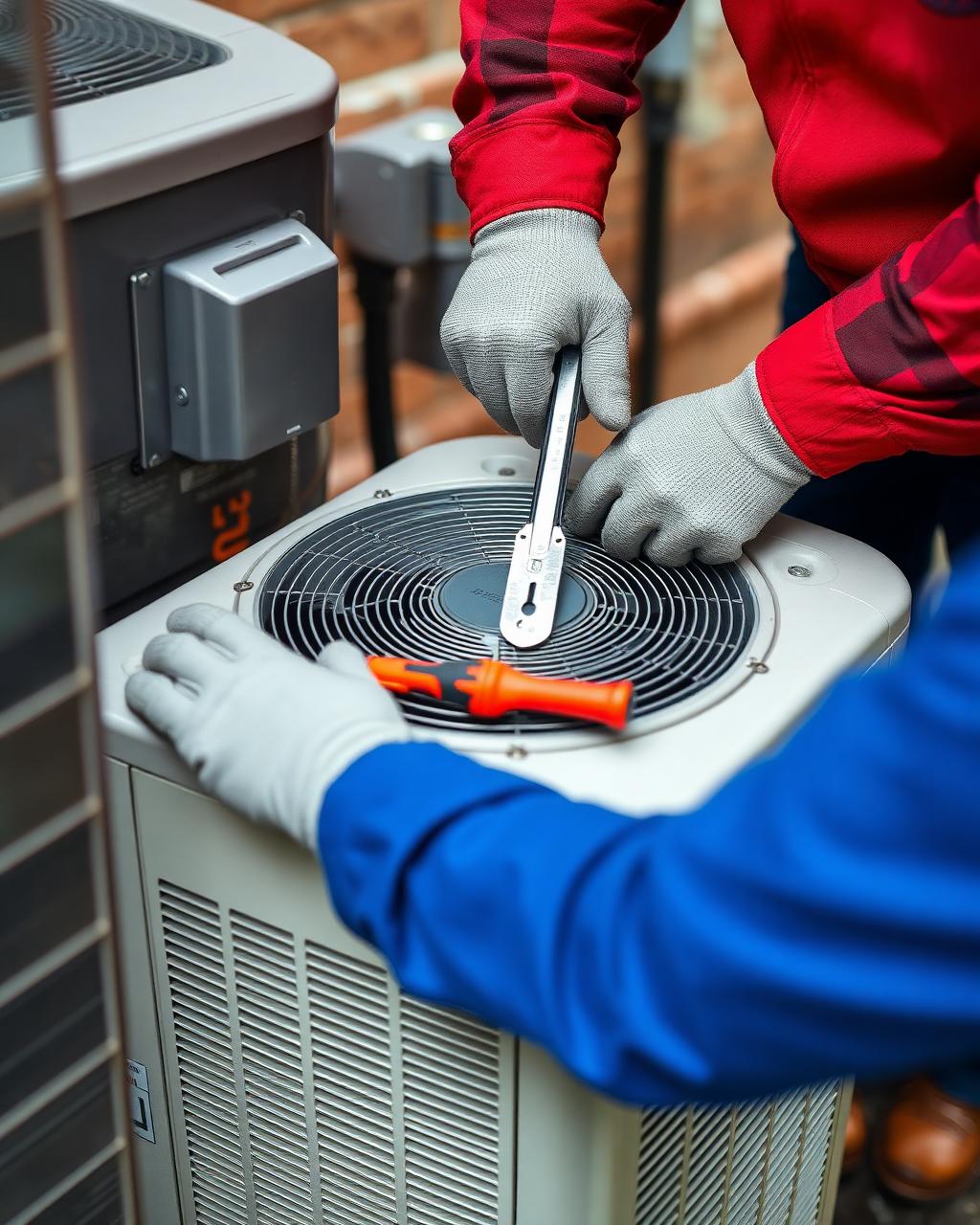
A domestic air conditioning system should be serviced once a year; a system that runs year-round for heating as well as cooling is better on a twice-yearly cycle. That is not an upsell — it is what most manufacturer warranties actually require, and it is the difference between a system that lasts fifteen years and one that quietly loses performance from year three onwards.
Key takeaways
- Annual service for cooling-only use; twice yearly if you heat with it too.
- Filters are a monthly homeowner job in summer — five minutes, big effect.
- Most warranties are conditional on documented professional servicing.
- Refrigerant should never need topping up. If it does, you have a leak.
- Blocked condensate drains are the most common cause of water damage call-outs.
What a proper service includes
There is a real difference between a fifteen-minute filter wipe and a service. A competent visit covers the indoor unit, the outdoor unit, the pipework and the controls, and finishes with recorded performance figures you can compare year to year.
- 1Filters removed, washed or replaced, and the housing cleaned.
- 2Indoor coil inspected and cleaned — this is where efficiency quietly disappears.
- 3Blower wheel and barrel fan checked for dust and biofilm build-up, which causes both noise and smell.
- 4Condensate tray and drain flushed and treated, and the pump tested if fitted.
- 5Outdoor coil cleaned of leaves, pollen, grass cuttings and general debris.
- 6Fan, motor bearings and anti-vibration mounts checked.
- 7Electrical connections inspected for heat damage and tightness; current draw measured.
- 8Operating pressures and temperature split measured and compared against expected values.
- 9Leak check on joints and flares, at the interval the regulations require for the charge size.
- 10Controls, timers and modes tested, and the results recorded on a service sheet.
That last point matters. Ask for the paperwork. Trended pressure and temperature-split figures are how a leak or a failing compressor gets spotted a year before it strands you in a heatwave.
How often, realistically
| Usage | Recommended interval | Why |
|---|---|---|
| Cooling only, summer use | Annually, ideally spring | Clears winter debris before the season starts |
| Cooling and heating year-round | Every 6 months | Roughly double the running hours |
| Home office, daily use | Every 6 months | High run hours and continuous dust loading |
| Near trees, fields or a busy road | Annually, plus coil clean | Outdoor coil fouls much faster |
| Property with pets | Annually, filters monthly | Hair blocks filters and coils quickly |
The jobs you can do yourself
Three tasks are genuinely homeowner-friendly and make a measurable difference.
- Filters. Lift the front panel, slide out the mesh filters, rinse under a warm tap, dry fully, refit. Monthly during heavy use. A blocked filter can cut airflow by a third.
- Outdoor unit clearance. Keep at least 300mm clear around the coil and a metre in front of the fan discharge. Sweep away leaves and keep grass cuttings off it.
- A quick winter run. Give the system ten minutes in heating mode once a month over winter if you only cool with it. It keeps seals and the compressor lubricated.
Everything else — coil chemicals, drain clearance, electrical checks and anything involving refrigerant — belongs to an F-Gas certified engineer. Refrigerant work without certification is unlawful, and pressurised systems are unforgiving of guesswork.
Warranty: read the condition
Most manufacturers offer five to seven years' parts warranty on domestic equipment, and most attach two conditions: it must have been installed by a registered installer, and it must be serviced annually with records kept. Miss the servicing and a compressor failure in year four becomes your bill, not theirs.
Keep a simple folder — commissioning certificate, electrical certificate, F-Gas details, and each annual service sheet. It takes no effort and it is exactly what a manufacturer, an insurer or a buyer's solicitor will ask for.
Warning signs worth acting on
Book a visit if you notice
- The room takes noticeably longer to cool than last summer
- A musty or sour smell when the system starts
- Water dripping from the indoor unit or staining beneath it
- Ice forming on the pipework or the indoor coil
- New rattles, hums or a change in fan noise
- The outdoor unit running constantly without the room reaching setpoint
- A sharp rise in electricity use with no change in habits
Ice and constant running usually point to the same thing: low refrigerant charge from a leak, or airflow restriction from filters and coils. Both get worse and more expensive the longer they run.
Refrigerant is not a consumable
A sealed system does not use refrigerant. If a system needs gas, it has lost gas, and the leak needs finding and repairing before recharging. Anyone offering to simply 'top it up' every year is selling you the same repair repeatedly while the refrigerant vents to atmosphere — which is both expensive and, for larger charges, a compliance issue.
Leaks usually appear at flare joints, at coil returns, or where pipework has been mechanically stressed. A proper leak test with electronic detection or nitrogen pressure testing finds them.
Smells, hygiene and health
The sour smell some systems develop is biofilm growing on a permanently damp indoor coil and drain tray. It is unpleasant and entirely preventable: an antibacterial coil clean and drain treatment at service, plus running the fan-only mode for ten minutes at the end of a cooling session so the coil dries out.
For households with allergies, ask about higher-grade filtration options. Several manufacturers offer enhanced filters that capture much finer particulates than the standard mesh, which makes a real difference during pollen season across the Derbyshire countryside.
What a service costs
A single-system domestic service typically runs £90 to £160, with additional indoor units usually charged at a reduced rate on the same visit. Annual plans that bundle servicing with priority response and discounted parts are common and generally work out cheaper than ad-hoc booking, particularly if you would otherwise be calling during the July rush.
Set against a compressor replacement, which can run to four figures, and the efficiency loss of a dirty system running all summer, annual servicing is the cheapest line item in owning air conditioning.
Frequently asked questions
Can I skip a year if the system seems fine?+
You can, but you may forfeit warranty cover, and the problems servicing catches — slow leaks, fouled coils, blocked drains — are invisible until they are expensive.
When is the best time to book?+
Spring. The system gets checked before the first hot spell, and engineer availability is far better than in July.
How long does a service take?+
Roughly an hour for a single split, plus about thirty minutes per additional indoor unit.
Do I need an F-Gas logbook at home?+
Domestic systems with small refrigerant charges usually fall below the mandatory logbook threshold, but keeping service records is still strongly advisable for warranty and resale.