
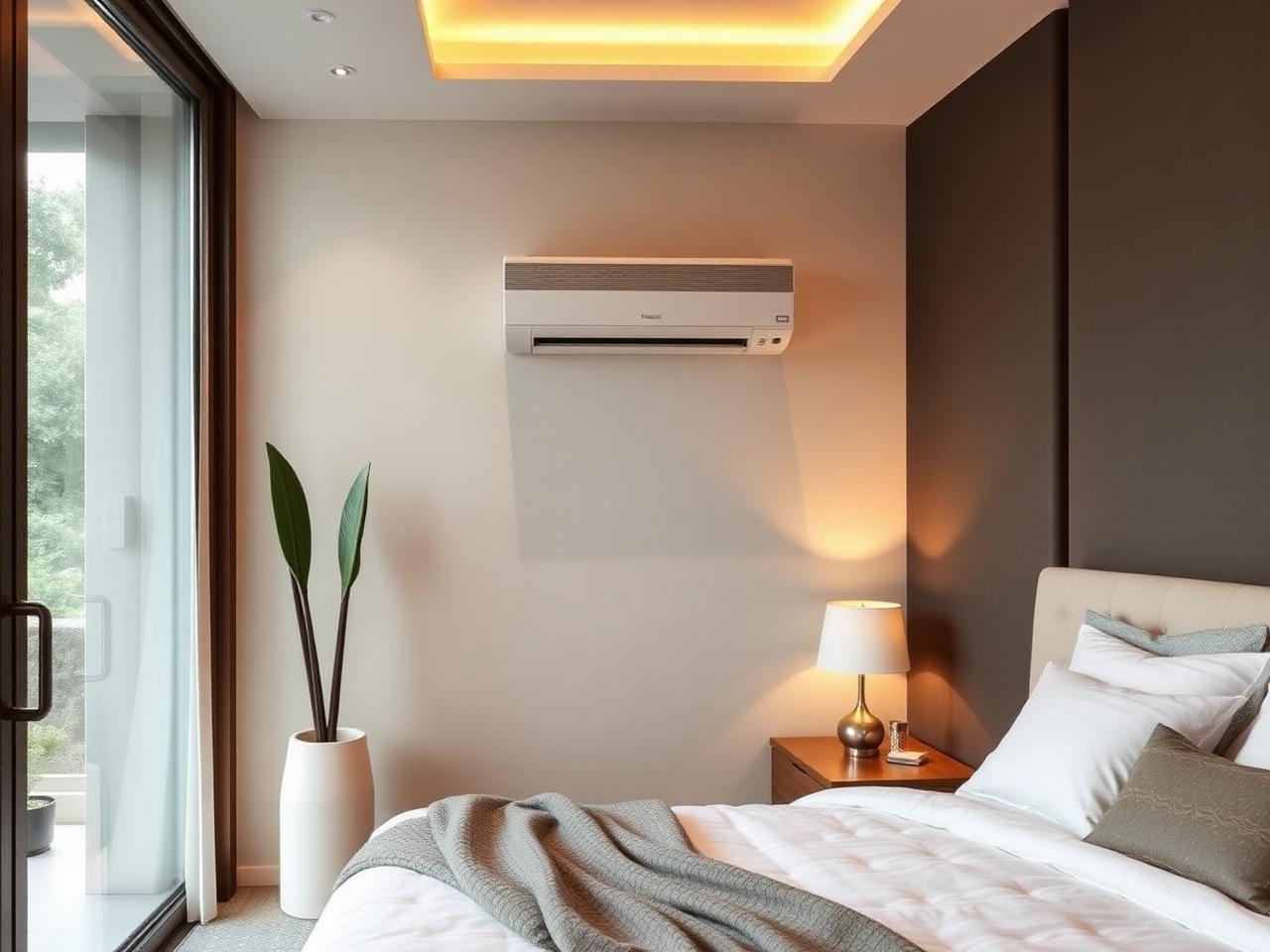
When people think about air conditioning, they usually picture cooling on a hot day. But one of the most underrated benefits is the effect on indoor air quality. A modern split system circulates room air through a filter every time it runs, removing pollen, dust, pet dander and other particles. It also dehumidifies, which discourages dust mites and mould. For allergy sufferers, asthmatics and anyone sensitive to Derbyshire's high pollen counts in spring and summer, that can be a genuine quality-of-life improvement.
Key takeaways
- Standard AC filters capture dust, pollen and large particles; upgraded filters can catch much smaller allergens.
- Dehumidification reduces the moisture dust mites and mould need to thrive.
- Regular filter cleaning is essential — a clogged filter makes air quality worse, not better.
- Air movement prevents stagnant, humid corners where mould can grow.
- AC is not a replacement for ventilation, but it complements it by filtering and conditioning recirculated air.
How AC filters clean the air
Every indoor unit has a filter behind the front grille. As air passes through, the filter traps particles. Standard filters are good for dust, hair and large pollen grains. Some manufacturers offer optional high-grade filters, including electrostatic and anti-allergy types, that capture smaller particles and even neutralise some bacteria and odours.
| Filter type | Typical capture | Maintenance |
|---|---|---|
| Standard mesh | Dust, hair, large pollen | Clean every 2–4 weeks |
| Electrostatic | Finer dust and small particles | Clean or replace every 1–3 months |
| Anti-allergy / anti-bacterial | Pollen, mould spores, some bacteria | Replace on manufacturer schedule |
| Carbon / deodorising | Odours, smoke, VOCs | Replace periodically |
Common filter types found in residential air conditioning units.
Dehumidification and mould control
Cooling mode removes moisture from the air as condensation forms on the cold indoor coil. That moisture is drained outside. The result is a drier, more comfortable room. Keeping indoor relative humidity below 60% makes life hard for dust mites and mould spores, both of which are common triggers for asthma and allergies.
In older Derbyshire homes with solid walls, humidity can be a problem in winter as well as summer. Using the heat pump mode gently warms the room while still removing some moisture, which helps prevent condensation and black mould around windows.
Air movement and comfort
Stagnant air feels stuffy and can allow pollutants to build up in corners. A running AC unit keeps air moving, which evens out temperature and humidity across the room. The key is to avoid blowing air directly onto people. Use adjustable louvres, swing mode or fan speed settings to circulate air without creating a draught.
Maintenance matters more than the filter grade
A premium filter that is never cleaned becomes a source of contamination. Dust and mould can accumulate on a clogged filter and then be blown back into the room. The single most important thing you can do for air quality is clean or replace filters on schedule and book an annual deep service that includes coil cleaning and drain flushing.
Air quality checklist for AC owners
- Clean filters every two to four weeks during heavy use.
- Ask about upgraded filter options if allergies are a concern.
- Keep indoor humidity between 40% and 60% where possible.
- Use a gentle fan speed and angled airflow to avoid direct draughts.
- Book annual servicing to clean coils, drains and fan blades.
AC and fresh ventilation
Air conditioning recirculates and conditions indoor air; it does not bring in fresh outdoor air on its own. For the best indoor environment, use trickle vents, extractor fans or mechanical ventilation alongside the AC. In very airtight modern homes, a dedicated ventilation strategy is important for health as well as comfort.
Frequently asked questions
Will air conditioning help with hay fever?+
Yes, by filtering pollen from the air and keeping windows closed during high pollen days. Clean filters regularly so they stay effective.
Can air conditioning make allergies worse?+
Only if it is poorly maintained. Dirty filters, mouldy coils and blocked drains can circulate allergens and odours.
Do I need a special filter for asthma?+
A standard clean filter helps, but electrostatic or anti-allergy filters can capture smaller particles. Ask your installer what options are available for your unit.
How often should filters be cleaned?+
Every two to four weeks in heavy use, or more often if you have pets or live in a dusty or high-pollen area.