
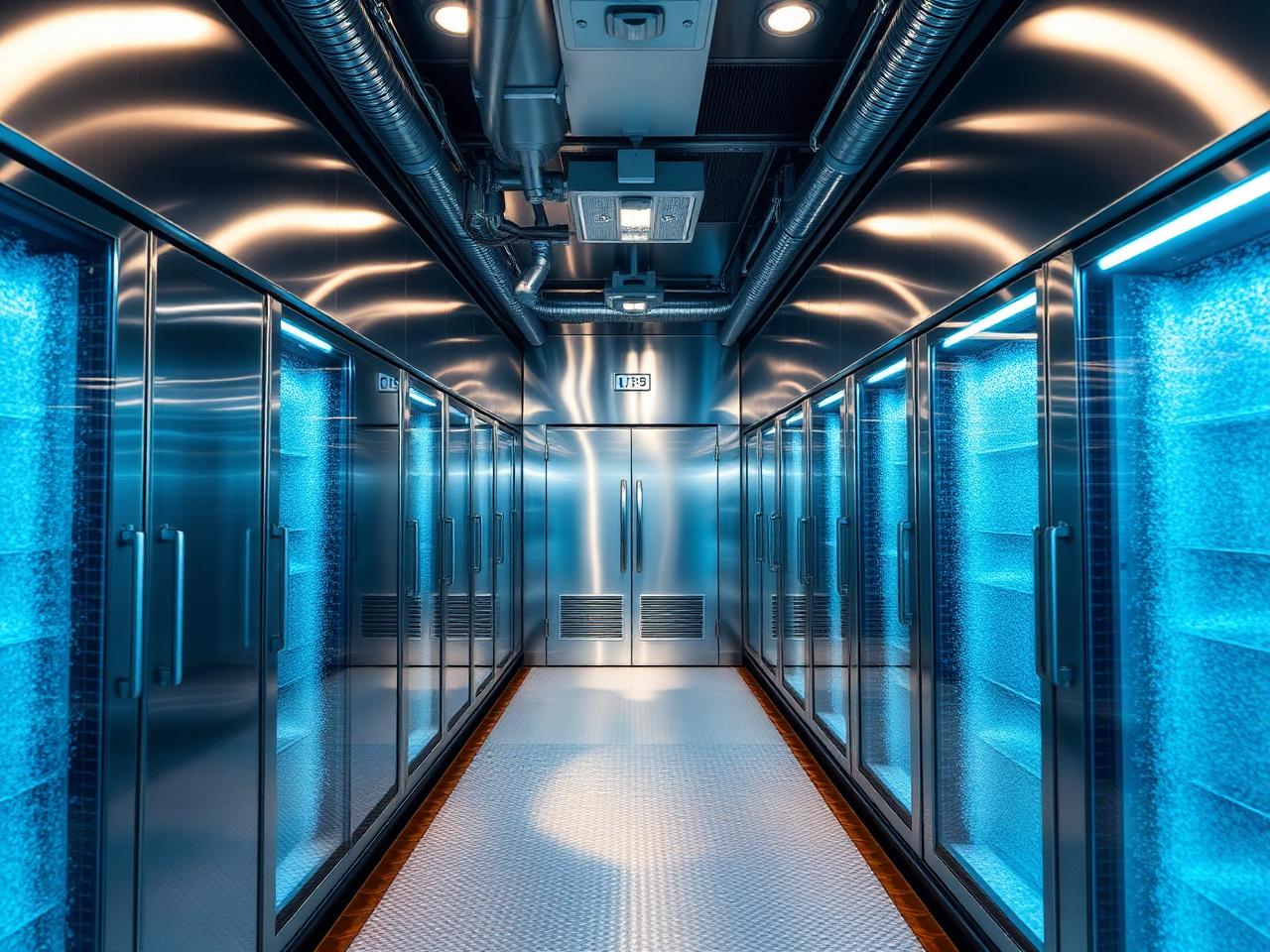
Commercial refrigeration is the backbone of any food business. A failing fridge during service can cost a restaurant thousands in wasted stock and lost revenue. For pubs, cafés, takeaways and restaurants in Derbyshire, getting the refrigeration right means understanding food safety law, energy efficiency, kitchen workflow and the difference between a standard upright fridge and a purpose-built cold room. This guide covers what owners need to know when specifying, installing and maintaining commercial kitchen refrigeration.
Key takeaways
- Upright cabinets, under-counter units, blast chillers and walk-in cold rooms each suit different kitchen sizes and menus.
- Size refrigeration from menu volume, delivery schedules and peak storage needs, not just kitchen floor area.
- Temperature logging and door seals are critical for food safety compliance.
- Energy-efficient refrigeration with good airflow and maintenance can cut running costs significantly.
- F-Gas regulations apply to many refrigeration systems and require certified engineers for leak checks and repairs.
Types of commercial refrigeration
The right equipment depends on the type of food business and the menu. A small café might manage with under-counter fridges and a single upright freezer. A busy restaurant needs a mix of refrigeration types, often including a dedicated cold room for bulk ingredients.
| Equipment | Best for | Notes |
|---|---|---|
| Under-counter fridge/freezer | Small kitchens, line cooking | Convenient but limited capacity |
| Upright cabinet | General chilled storage | Good capacity-to-footprint ratio |
| Prep counter with refrigeration | Pizza, sandwich, salad prep | Combines workspace and chilled storage |
| Blast chiller | Cooling hot food quickly | Required for many HACCP plans |
| Walk-in cold room | High-volume restaurants, pubs, hotels | Best for bulk storage and organisation |
| Display fridge | Front-of-house retail | Needs good lighting and easy cleaning |
Common commercial refrigeration equipment by use case.
Sizing and kitchen layout
Refrigeration should be sized around how much food passes through the kitchen, not just the size of the room. A restaurant with daily fresh deliveries needs less storage than one taking bulk deliveries twice a week. Allow space around units for ventilation; a fridge crammed into a corner with no airflow will run hotter and use more energy.
Workflow matters too. Chefs should not be walking across the kitchen to fetch proteins during service. Cold rooms and prep fridges should sit close to the cooking line without blocking fire exits or creating trip hazards.
Temperature control and food safety
UK food law requires chilled food to be kept at 8°C or below, and frozen food at -18°C or below. Many businesses set stricter internal targets, such as 5°C for fridges and -20°C for freezers, to build in a safety margin. Temperature logs, door alarms and regular calibration are standard practice.
Refrigeration compliance essentials
- Keep daily temperature logs for all fridges, freezers and cold rooms.
- Check and replace worn door seals promptly.
- Store raw and ready-to-eat foods separately.
- Use calibrated thermometers and probe food regularly.
- Schedule F-Gas leak checks with a certified engineer where required.
Energy efficiency and running costs
Commercial refrigeration can account for 30–50% of a kitchen's electricity use. Energy-efficient models with LED lighting, self-closing doors, thick insulation and inverter compressors can pay back their extra cost within a few years. Simple habits also help: keep doors closed, defrost freezers regularly, and do not overfill units so air can circulate.
Maintenance and emergency planning
A refrigeration breakdown is an emergency for any food business. A maintenance contract with a local engineer gives priority callouts and can catch problems before they cause stock loss. Keep a list of equipment serial numbers, refrigerant types and emergency contacts visible in the kitchen.
Frequently asked questions
How often should commercial fridges be serviced?+
At least twice a year, with condenser cleaning more often in dusty or greasy kitchen environments.
Do I need a cold room or will upright fridges do?+
It depends on volume. Many restaurants use a cold room for bulk storage and upright fridges near the cooking line for service.
What temperature should a commercial fridge run at?+
Legally 8°C or below; most businesses aim for 1–5°C for safety and shelf-life.
Are refrigeration engineers F-Gas certified?+
They should be. Any work on systems containing fluorinated refrigerant must be carried out by a certified technician.